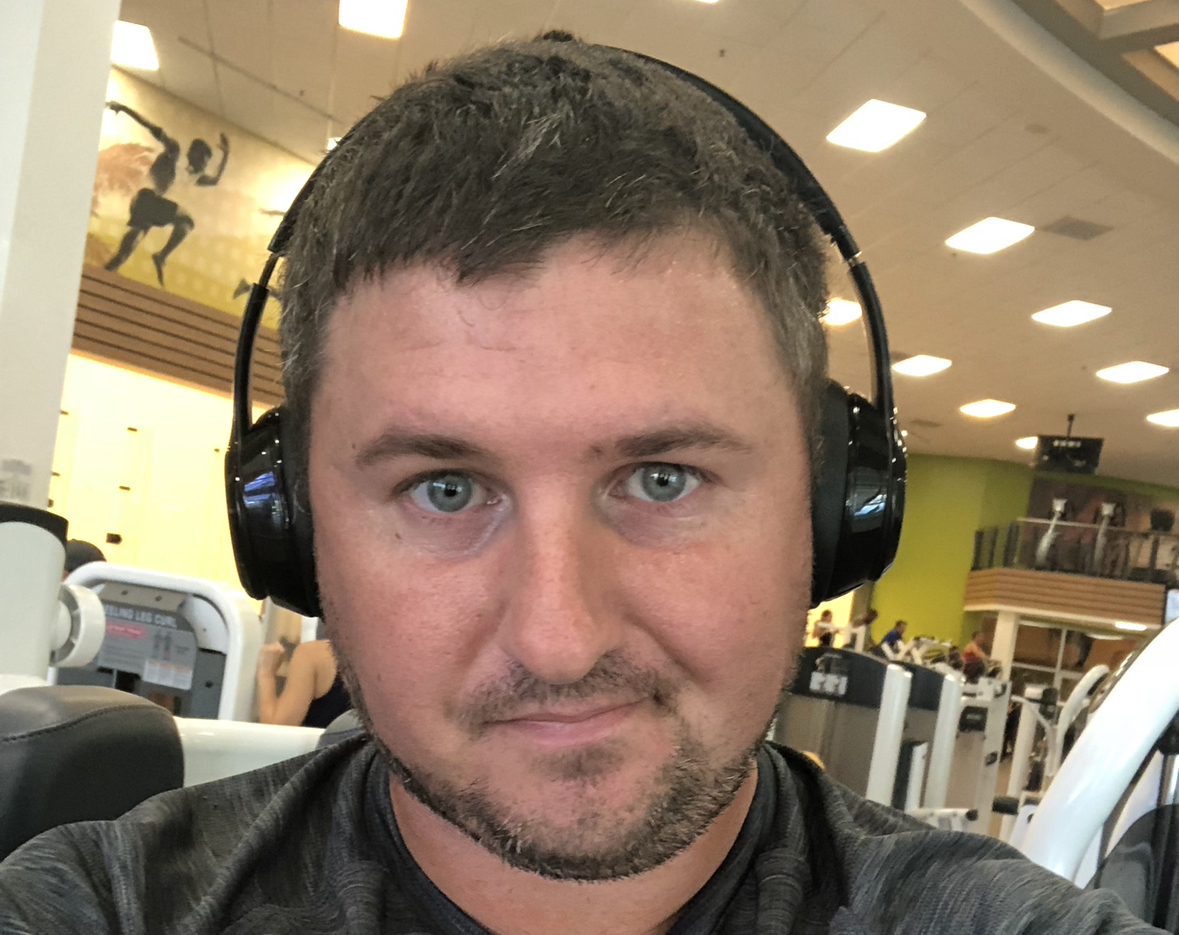
As someone that couldn’t quite make it as a professional golfer (it was never close don’t worry), becoming a caddie on tour really was the next most fulfilling thing as a golfer. From the grind of high school golf, to working in the industry, to winning 1 mini tour event, to just becoming a regular recreational player, I have always loved being a part of the game in some capacity.
Now that I am older, caddying has sort of become my biggest involvement in the game. I have to say, it’s just as satisfying as hitting the shots myself. If anything, becoming a caddy brings more pressure because now there are more people relying on a paycheck (player, caddie, managers, etc)
What does it take and what do you need to know to become a caddy on tour? I will admit I am still learning and quite often talk to caddies more experienced than me. Here is some of the knowledge, tips and inside info I gathered along the way. Some of this is probably what you’d expect, and some not. Here are the basics:

Counting Clubs: This sounds so obvious, but mistakes can happen and you don’t want it to happen to you. During practice rounds Mon-Wed, it is quite common for a player to play with 15-16 clubs in the bag. This is where we will really decide on what clubs we want to consider adding or taking out of the bag for the tournament. Come Thursday morning, you want to make sure those clubs were taken out of the bag! Side note to this, the bag is super heavy Monday – Wednesday. With extra clubs, training aids (Superspeed stick, alignment sticks, etc.) putting mats/aids in the bag, the bag weighs a ton.
Wind: Always know where the wind is. Prior to your round, there will be a weather fact sheet at the first tee. It will show you which way the wind is blowing and how hard (of course this can change, but it’s good to have it forecasted hour by hour). I will note these directions in front of my yardage book. The nice thing about the booklet (I will do another article on the books books, they are very interesting) is each hole there is a compass to let you know which way North is so you can quickly see the direction. A player is going to want to know the wind for every shot.
Water: Always have water in the bag for your player. On tour, there are water coolers on every single tee box which is nice. Keep your player hydrated and make sure they’re drinking. Sometimes they will get in the zone and completely forget to do something as simple as stay hydrated (or snack). You don’t ever want to respond “we don’t have any” when they ask you to hand them some water.
Wet Towel: Always have a wet towel. You’re going to need it to clean your players ball, clubs, grips, or they’re going to want it for their hands. The caddie towels are a good size, always keep the bottom 1/4 of it wet, keep the other end dry! When it’s rainy, put an extra or 2 in the bag. You’re going to need it.
Never hand back a dirty ball: Of course during a tournament round the player will mark and hand you their ball, clean it, dry it and hand it back. This also goes for practice rounds. When they’re chipping around the green, etc. If you pick up a ball or they hand you a ball, always clean it and hand it back clean.
A bag laying down never falls over: I learned this very quick. Tour bags will 100% fall over on any little slope. This goes for the fairway and fringe around the green. If there is any question whether a bag will tip over when standing up, lay that sucker down. The last thing you want is a pros entire set of clubs slamming to the ground, or worse, slamming to the ground while someone else is hitting. The tee box is really the only place you can confidently stand a bag up and walk away from.

It’s true what they say: Show up, keep up, shut up… Players are different, some love to conversate, some are very quiet. Try to pick up on this very quickly if you have a new player. During the practice rounds, if I am with a new player, that’s the time to get to know them and that is when they will talk more. During the tournament, I tend to let them lead the conversation. When walking, I will always trail slightly behind my player that way they set the pace, and usually I will spend my walking talking with another caddie. There are definitely times when the player will talk to you and even other players will talk to a caddie, but I will let them initiate usually. On the flip side of this, I will lead the conversation when we get to the ball. I will set the bag down, pace everything off, and then stand next to my player letting them know the basics of what’s ahead (yardage to front of the green, and total to flag and wind direction). You don’t want to throw too much at them at once, they will process everything you tell them, and then ask you for additional info. We will then discuss yardage to land the ball, how much it’ll release, slopes on or around the green we can utilize, etc.. Last, I will instill confidence in them in what they’re about to do before I pull the bag away and let them hit the shot.
The Not So Basics:
Shot data: I love having data and you want to know how the course and your players shots are reacting that week. I will document every single shot throughout the entire week. This sounds super complicated, and I know players like Matt Fitzpatrick have been known to do this, but it’s really pretty simple. This is so I can refer to how a shot played, and reacted so I can reference it and use that for future shots that week. During the practice round, I will note: the distance we had to the front of green, and distance to the flag… I’ll quickly note the direction the wind was going, what club we hit, how far that shot pitched on the green, and even how much it released. Again this sounds super complicated, but it takes me zero time. I can collect the second part of my data at the green while my player is chipping and putting during the practice round. I am also mindful of conditions changing throughout the week. During tournament rounds I will do the same as well. The yardage books allow plenty of space for this on the top page of each hole.
The Mental Side: Another part that comes with the job that you don’t realize it until you’re doing it, is how much of a mental coach a caddie is out there for the player. As important as being a good caddie on yardages, decisions, etc., it’s equally as much of a job keeping your players head in a good space. Golf is a very emotional game played between the head, and getting a front row seat to quite a few players now, it is as important as anything you can do. Getting their head in a good place can turn a round that derails the tournament into a round that makes it salvageable. I have had players cry mid round and say that they just want to go home and be done playing. Golf really is hard. At all levels. You have to gas your player up and this is something that completely surprised me at this level, but it’s very real.
Long Days: The days are long. Most people think a player comes in and plays a round, hits some balls and the day is done after 4-5 hours during the week. Practice days are very long, especially for younger players. (Older/veteran players tend to relax on this a bit). But this is what a typical Monday – Wednesday Looks like:
7:30a: Player/Caddie arrive at course and eat breakfast in player dining
8:00a: Player will go get some sort of physical therapy to loosen up or even meet with mental coach (I will usually continue eating breakfast or do some work in my yardage book, etc during this)
845a: Player will come out to the range, warm up, and hit balls for a solid hour+, during this time we will sometimes head to equipment trailers to make any adjustments, meet with club reps as they come around and see how we’re doing and if we need anything.
10:30a: We will head out and play, sometimes its just 9 holes, sometimes it’s 18 (if they aren’t in the pro am on Wednesday, we will get as much in on the course as we can Monday-Tuesday). Practice rounds are usually in 3-somes. Players will play 1 ball until they get to the green, they’ll all spend 5 minutes or so hitting different chip shots around the green. Then another 5 minutes or so hitting a bunch of different putts. During this time I am taking all sorts of notes on how the ball reacts on the green, including how putts roll. You are allowed to draw lines of anything you observe during your own experience on the course. Practice rounds themselves for 9 holes can take about 2.5 hours
1.00p: Player will do a little “warm down” session on the range, working on a couple things they may have needed to work on out on the course, this is usually a pretty quick session.
1:15p: Player and Caddie will each lunch, talk about the course, etc. (If we play 18, we will just grab snacks at the tee box and continue on.)
2:15p: Player will usually go back out and spend quite a bit of time putting. They’ll be working on getting a feel on lag putts and working extensively on making 5-7 footers. This can linger on for a couple hours sometimes longer.
Usually the session for the day ends around 4-5p or so
They’ll do something along the lines of this Monday and Tuesday. Wednesday it really depends if they are in the Pro-Am or not. If they aren’t in the Pro-Am, players can tee off before it starts, but we have to be clear of the 1st hole by 7am, so its an early rise but a shorter day usually!
That was an inside look at caddying on tour. Some of it seems pretty obvious and some of it might be info you didn’t know or were aware of!